Bathroom Renovation Mistakes Philadelphia Homeowners Should Avoid
A bathroom is one of the least forgiving rooms in the house to get wrong. Problems that would be a minor annoyance in a bedroom, like a slightly uneven floor or an underpowered fan, become expensive water damage or mold issues in a bathroom. Here are the mistakes that come up most often, and how to avoid them.
1. Skipping or Skimping on Waterproofing
This is the single most common and most costly mistake. A shower or tub surround needs a proper waterproofing membrane behind the tile, not just tile adhesive and grout. Grout alone is not waterproof; it's porous and will let moisture through over time. Without a membrane behind it, water eventually reaches the wall framing, leading to hidden rot or mold that isn't discovered until it's a much bigger, more expensive repair.
How to avoid it: Ask your contractor specifically what waterproofing system they use in wet areas, and don't accept "we use good tile adhesive" as the answer. A proper membrane system should be part of every shower or tub surround.
2. Underpowered or Missing Ventilation
A bathroom fan that's too small for the room, vented into the attic instead of outside, or simply not run long enough after a shower, is one of the leading causes of mold and peeling paint. Philadelphia's humid summers make this worse. Exhaust fans should be sized to the room's square footage and vented directly outside, not just into an attic space where moisture accumulates.
3. Not Planning Storage Before Choosing Fixtures
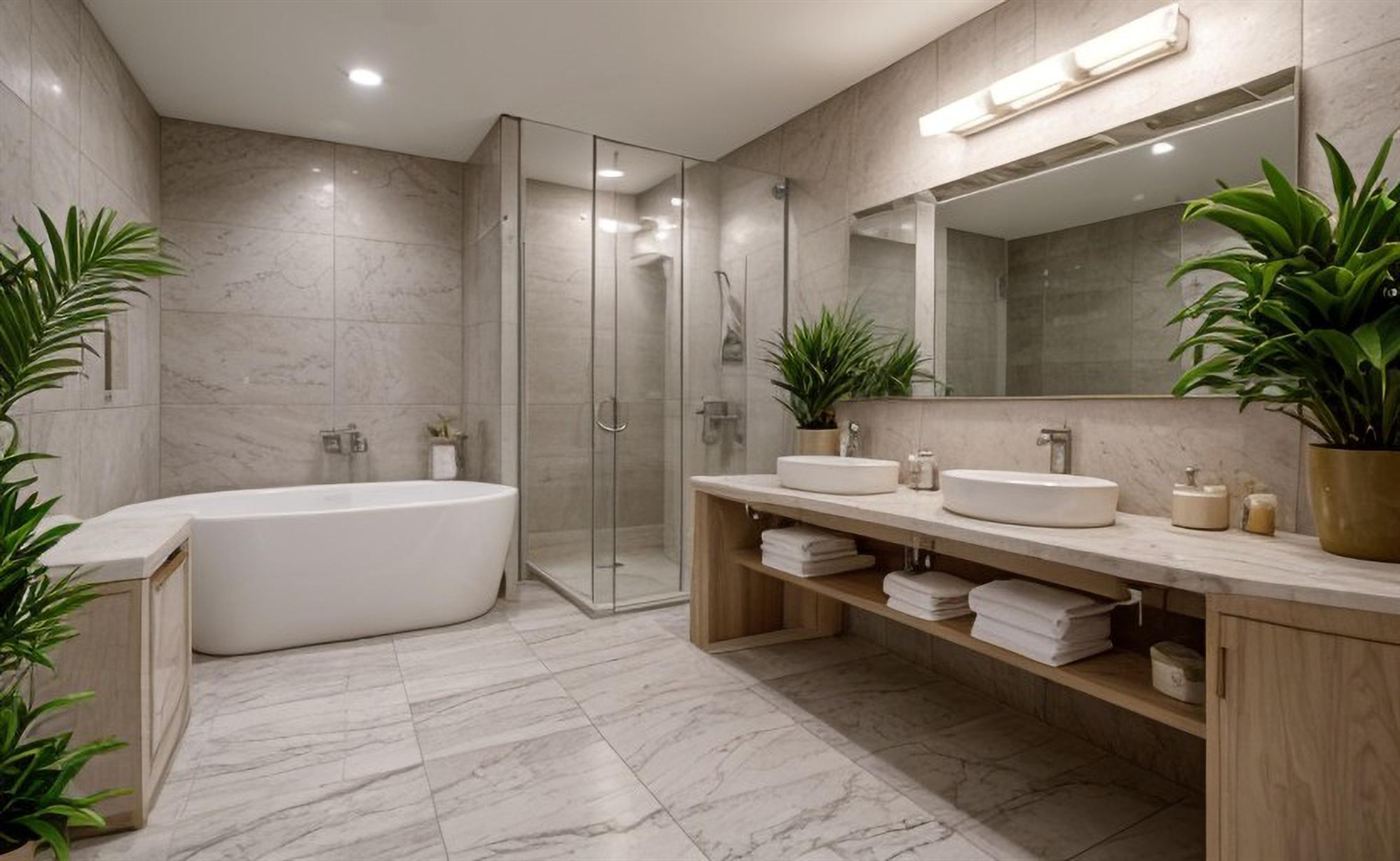
It's easy to fall in love with a floating vanity or a large soaking tub during the design phase and forget to plan where towels, toiletries and cleaning supplies actually go. Once fixtures are ordered, it's difficult to add storage back in. Walk through your daily routine and count what needs a home before finalizing the layout.
4. Choosing Slippery Flooring
Glossy, highly polished tile looks beautiful in photos but becomes genuinely dangerous when wet. Look for tile with an appropriate slip resistance rating for bathroom floors, particularly in the shower itself, where smaller mosaic tile (which has more grout lines for traction) is often a better choice than large-format tile.
5. Ignoring the Toilet's Location Relative to the Door
Building code requires minimum clearance around a toilet, but even within code, a toilet positioned awkwardly relative to the door swing or vanity can make a small bathroom feel cramped or make the door difficult to close. This is worth reviewing on a floor plan before demolition, not after.
6. Choosing a Contractor Based on Price Alone
The lowest bid on a bathroom renovation is often lowest because it skips waterproofing steps, uses lower-grade materials, or doesn't include permits and inspections. Given how expensive water damage is to fix after the fact, this is one room where the cheapest quote is rarely the best value. Choosing a licensed and insured contractor matters just as much for bathrooms as it does for kitchens.
Frequently Asked Questions
How do I know if my contractor is doing waterproofing correctly?
Ask them to name the specific waterproofing product or system they use (liquid membrane, sheet membrane, or a specific brand system) and ask to see it during installation, before tile goes up. A contractor who can't answer specifically, or who seems annoyed by the question, is a red flag.
Can a bathroom renovation mistake really cause mold?
Yes. Inadequate waterproofing or ventilation are the two most common causes of hidden mold growth in bathroom walls, and it's often not discovered until there's a musty smell, visible staining, or the tile starts to loosen, at which point the repair usually requires opening the wall.
Get It Right the First Time
Reliable Home Remodeling builds every bathroom renovation with proper waterproofing, correctly sized ventilation and a layout planned around how you actually use the space, not just how it photographs.
Ready to plan a bathroom renovation that's built right? Request a free estimate today.