Whole-Home Renovation Timeline: Planning Room by Room
The question homeowners ask most about a whole-home renovation isn't "how long will it take", it's "in what order does everything happen." Understanding the sequence makes the timeline make sense, and helps you plan around it, whether you're living in the house during construction or not.
Phase 1: Demolition and Structural Work (Weeks 1-3)
Every room being touched gets demolished roughly together at the start, since it's more efficient to haul debris once than in stages. Any structural changes, removing walls, adding support beams, reframing for a new layout, happen during this phase, before anything gets closed back up.
Phase 2: Rough Plumbing, Electrical and HVAC (Weeks 2-5, Overlapping)
With walls open, plumbers, electricians and HVAC technicians run new lines throughout the house. This is the phase where issues like outdated wiring or old galvanized plumbing, common in Philadelphia homes that haven't been updated in decades, get addressed. Municipal inspections happen at the end of this phase, before anything gets covered by drywall.
Why this phase takes longest: Coordinating three or four different trades across every room of the house, then waiting for inspections, is inherently more complex than a single-room project. This is normal, not a sign of a slow contractor.
Phase 3: Drywall and Interior Framing Details (Weeks 4-7)
Once rough work passes inspection, drywall goes up throughout the house: hanging, taping, mudding and sanding. Trim carpentry, door installation and any built-in features are framed during this phase as well.
Phase 4: Kitchens and Bathrooms (Weeks 6-11, the Longest Individual Phase)
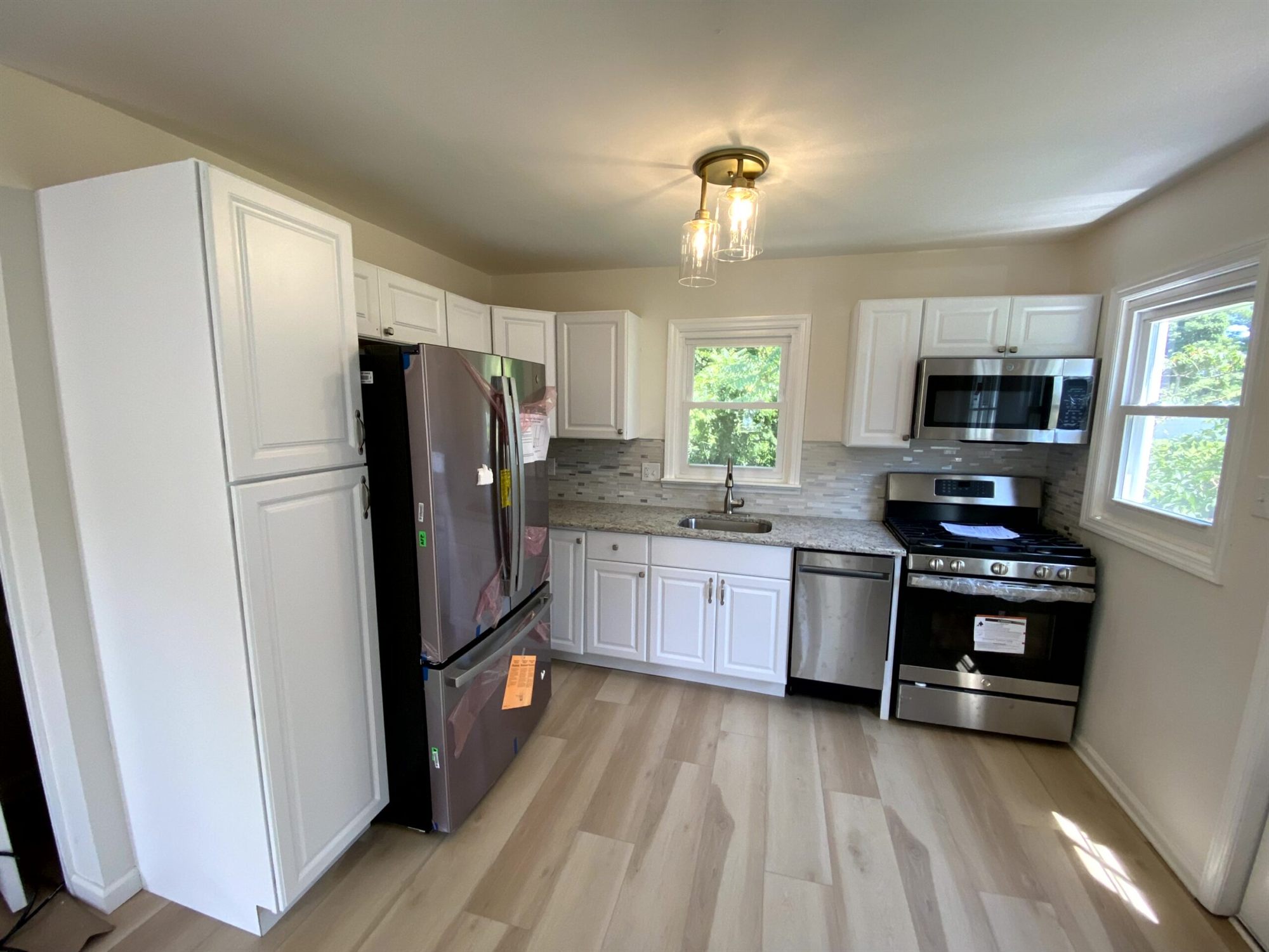
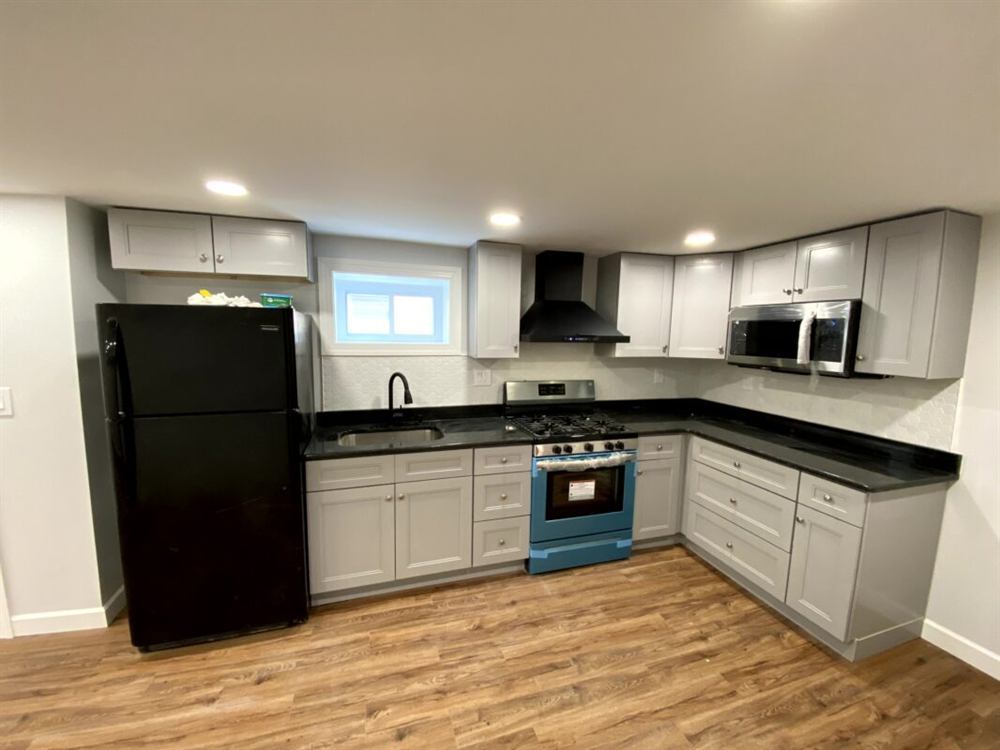
Kitchens and bathrooms take the longest of any single room type, combining cabinetry, countertop fabrication, tile work and fixture installation. These typically run in parallel with flooring and paint happening in other rooms, so the whole house keeps moving rather than waiting on the kitchen alone.
Phase 5: Flooring Throughout the Home (Weeks 8-11, Overlapping)
Flooring installation generally happens after major wet work (kitchens, bathrooms) is complete in a given area, to avoid damaging new floors during messier trades. Hardwood refinishing, if included, typically happens last of all, since the house needs to be free of dust-generating work before the final finish coat.
Phase 6: Paint, Fixtures and Final Details (Weeks 10-13)
Interior painting, lighting fixtures, hardware, and final touch-ups wrap up the project. This is also when the punch list, any small items identified during a walkthrough, gets addressed before final handoff.
Typical Whole-Home Renovation Timeline
| Phase | Approximate Duration |
|---|---|
| Demolition & structural work | 2-3 weeks |
| Rough plumbing, electrical, HVAC + inspection | 2-3 weeks |
| Drywall & framing details | 2-3 weeks |
| Kitchens & bathrooms | 4-6 weeks (overlapping with flooring) |
| Flooring throughout | 2-3 weeks (overlapping) |
| Paint, fixtures & final details | 2-3 weeks |
Altogether, a mid-range whole-home renovation typically runs three to five months from demolition to final walkthrough. Projects involving an addition or major structural work extend beyond that.
Frequently Asked Questions
Why do kitchens and bathrooms take so much longer than other rooms?
Both combine the most trades, plumbing, electrical, tile, cabinetry, countertop fabrication, in the smallest footprint, with several steps that require curing or fabrication time (grout, custom countertops) that can't be rushed without compromising quality.
Can rooms be finished and used before the whole project is done?
In phased renovations where the home stays occupied, yes, rooms are often sequenced so completed areas become livable while work continues elsewhere. For full gut renovations, most homeowners wait until the entire project is complete before moving back in.
What causes a whole-home renovation to run past the estimated timeline?
The most common causes are material delivery delays (especially custom cabinetry), structural surprises discovered once walls are open, and homeowner-requested scope changes mid-project. A detailed written schedule upfront, with realistic buffers, minimizes how much these affect the final completion date.
Ready to Plan Your Whole-Home Renovation?
Reliable Home Remodeling sequences every trade, from demolition to final paint, so nothing gets damaged or delayed by the next phase, with a written schedule you can actually plan your life around.
Ready to see a realistic timeline for your project? Request a free estimate today.