Bathroom Renovation Cost in Philadelphia: 2026 Price Guide
"How much does a bathroom renovation cost?" is the first question almost every Philadelphia homeowner asks, and it's a fair one. Bathrooms are expensive per square foot compared to any other room, because so much of the cost is hidden behind the walls: waterproofing, plumbing, ventilation and electrical work that has to be done right the first time.
There is no single number that applies to every project, but there are clear, predictable ranges once you know the scope of work. This guide breaks down what a bathroom renovation actually costs in the Philadelphia market in 2026, and what pushes a project from the low end to the high end.
Bathroom Renovation Cost by Project Scope
The single biggest factor in bathroom cost is scope: are you refreshing what's there, or changing the layout entirely? Moving plumbing lines is one of the most expensive line items in any renovation, so keeping fixtures in roughly the same place keeps cost down.
| Project Scope | Typical Cost Range | What's Included |
|---|---|---|
| Cosmetic Refresh | $4,000 - $9,000 | New vanity, toilet, paint, hardware, and lighting. Existing layout and tile stay in place. |
| Mid-Range Renovation | $10,000 - $20,000 | New tile, vanity, tub or shower, fixtures and ventilation, same footprint. |
| Full Renovation | $20,000 - $35,000 | Gut down to the studs, new plumbing runs, tub-to-shower conversion, custom tile work. |
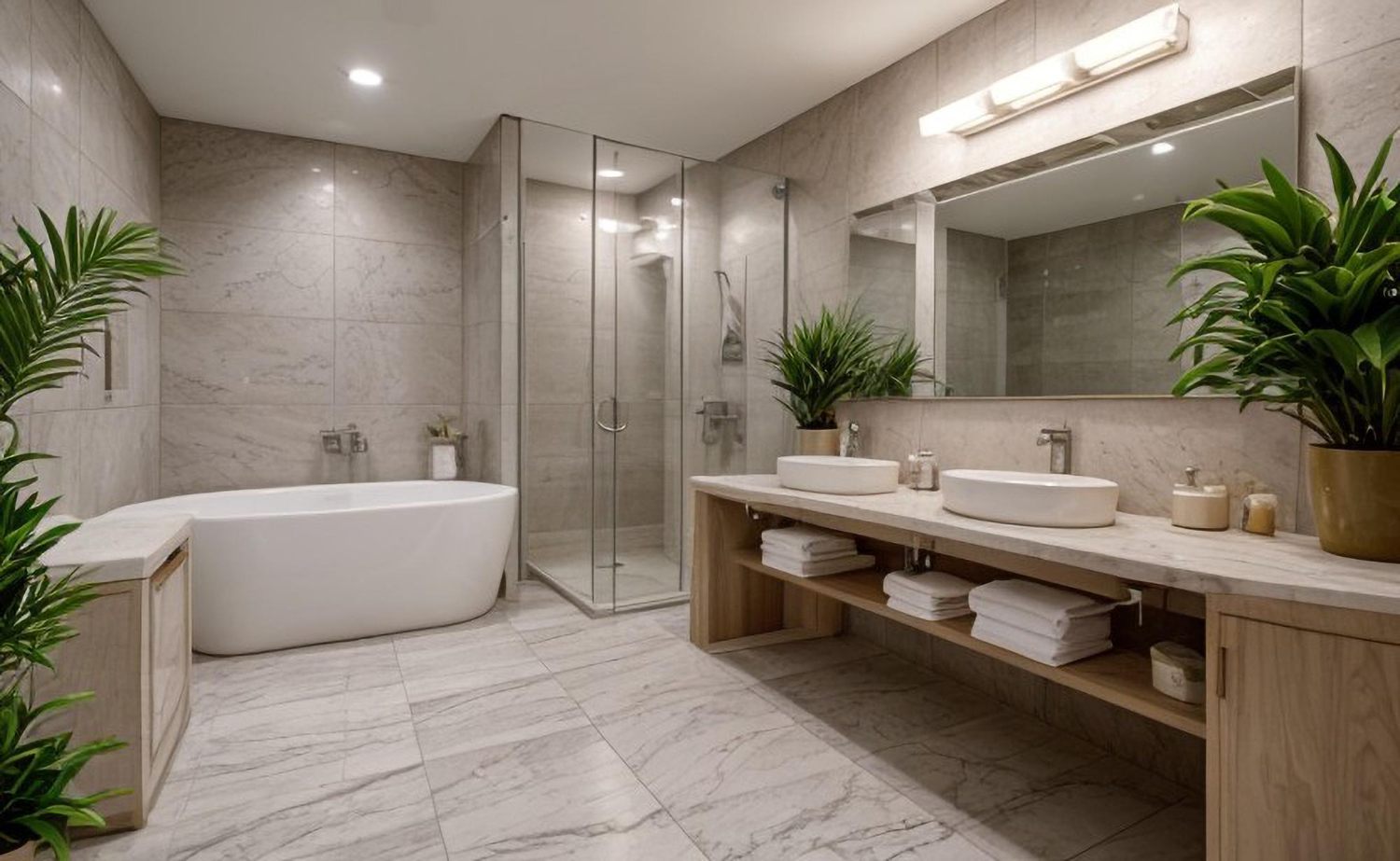
| Primary Suite / Luxury | $35,000+ | Layout changes, double vanity, frameless glass shower, heated floors, premium finishes. |
Row home note: Philadelphia row homes often have a single full bathroom serving the whole house, which raises the stakes on getting the layout right the first time. Ask your contractor to walk you through how the space will function during construction, since most homes only have one bathroom to work with.
What Drives the Price Up
Beyond scope, a handful of specific choices consistently move a project from the low end of a range to the high end:
- Moving the toilet, tub or shower. Relocating a drain line is far more labor-intensive than keeping fixtures in place, especially on a slab or in a row home with limited access below the floor.
- Custom tile layouts. Herringbone patterns, large-format tile and mosaic accent walls all take significantly longer to install than a straight running-bond layout.
- Frameless glass showers. Custom-measured frameless glass costs considerably more than a framed enclosure or a shower curtain, but it's one of the most requested upgrades for a reason.
- Heated floors. Electric radiant floor heating is a relatively small add during a full renovation, since the floor is already being replaced, but a meaningful comfort upgrade for Philadelphia winters.
- Structural or code issues found during demo. Older Philadelphia homes sometimes reveal outdated plumbing, water damage or wiring that isn't up to current code once walls open up. A reputable contractor flags this immediately rather than covering it back up.
Where the Money Actually Goes
On a typical mid-range to full bathroom renovation, cost generally breaks down across a few major categories: tile and flooring materials and labor, the vanity and countertop, the tub or shower system, plumbing and electrical work, and general labor and project management. Tile work and plumbing consistently represent the largest share, which is why two bathrooms of the same size can have very different price tags depending on tile choice and how much plumbing needs to move.
Ways to Control Cost Without Cutting Corners
A lower budget doesn't have to mean a lower-quality bathroom. A few strategies keep cost reasonable while still delivering a renovation that lasts:
- Keep the toilet, tub and shower in their existing locations to avoid moving plumbing.
- Choose a standard-size tile in a straight layout rather than a custom pattern, and save the statement tile for a smaller accent area.
- Pick a quality stock or semi-custom vanity instead of a fully custom build.
- Prioritize what you can't easily change later, like waterproofing and layout, over finishes you can upgrade in a future refresh.
Frequently Asked Questions
Is it cheaper to renovate a bathroom myself?
DIY can lower material and labor cost, but bathrooms are one of the riskiest rooms to get wrong. Improper waterproofing behind tile or under a shower pan often isn't discovered until there's water damage in a wall or the floor below, which costs far more to fix than the renovation itself. Most homeowners hire licensed professionals for the plumbing, electrical and waterproofing, even if they handle painting or demo themselves.
Does a bathroom renovation add value to a Philadelphia home?
Bathroom renovations are consistently one of the higher-return projects for resale, particularly when a dated bathroom is brought up to a modern, neutral standard. Buyers notice bathrooms quickly during a showing, and an outdated or poorly maintained bathroom can be a sticking point in negotiations.
How do I get an accurate price for my specific bathroom?
Because so much of the cost depends on what's behind the walls, an accurate number requires an in-person walkthrough. Request a free estimate and a member of the Reliable Home Remodeling team will assess your layout, existing plumbing and finish preferences to give you an itemized, no-surprises quote.
Ready to Plan Your Bathroom Renovation?
Reliable Home Remodeling has renovated bathrooms across Philadelphia row homes, twins and suburban houses alike, from simple refreshes to full primary suites. Every estimate is itemized and free, so you know exactly what you're paying for before any work begins.
Ready to see what your bathroom renovation would cost? Request a free estimate today.