How to Choose Paint Colors for Every Room in Your Home
Choosing paint colors is where a lot of homeowners get stuck, not because there aren't enough options, but because there are too many. A more useful approach starts with how the house flows as a whole, then works room by room, rather than picking one favorite color and hoping it works everywhere.
Start With a Whole-House Palette, Not One Room
Before picking individual colors, choose a small palette of three to five colors that will work across the whole home: a main wall color for connected living areas, one or two accent colors for rooms that can stand apart (a bedroom, a powder room), and a consistent trim color throughout. This keeps the house feeling cohesive as you move from room to room, especially important in open-concept Philadelphia row homes where multiple rooms are visible at once.
Test Colors in the Actual Room, at Different Times of Day
Paint color shifts dramatically depending on light. A color that looks warm and inviting under a paint chip in a store can look flat or even greenish under your home's specific lighting. Paint a large sample swatch, at least a two-foot square, directly on the wall and observe it in the morning, midday and evening before committing.
Row home tip: Many Philadelphia row homes get light from only the front and back of the house, with interior rooms relying on borrowed or artificial light. Lighter, warmer wall colors generally help these interior rooms feel less closed in.
Room-by-Room Considerations
Living Areas and Kitchens
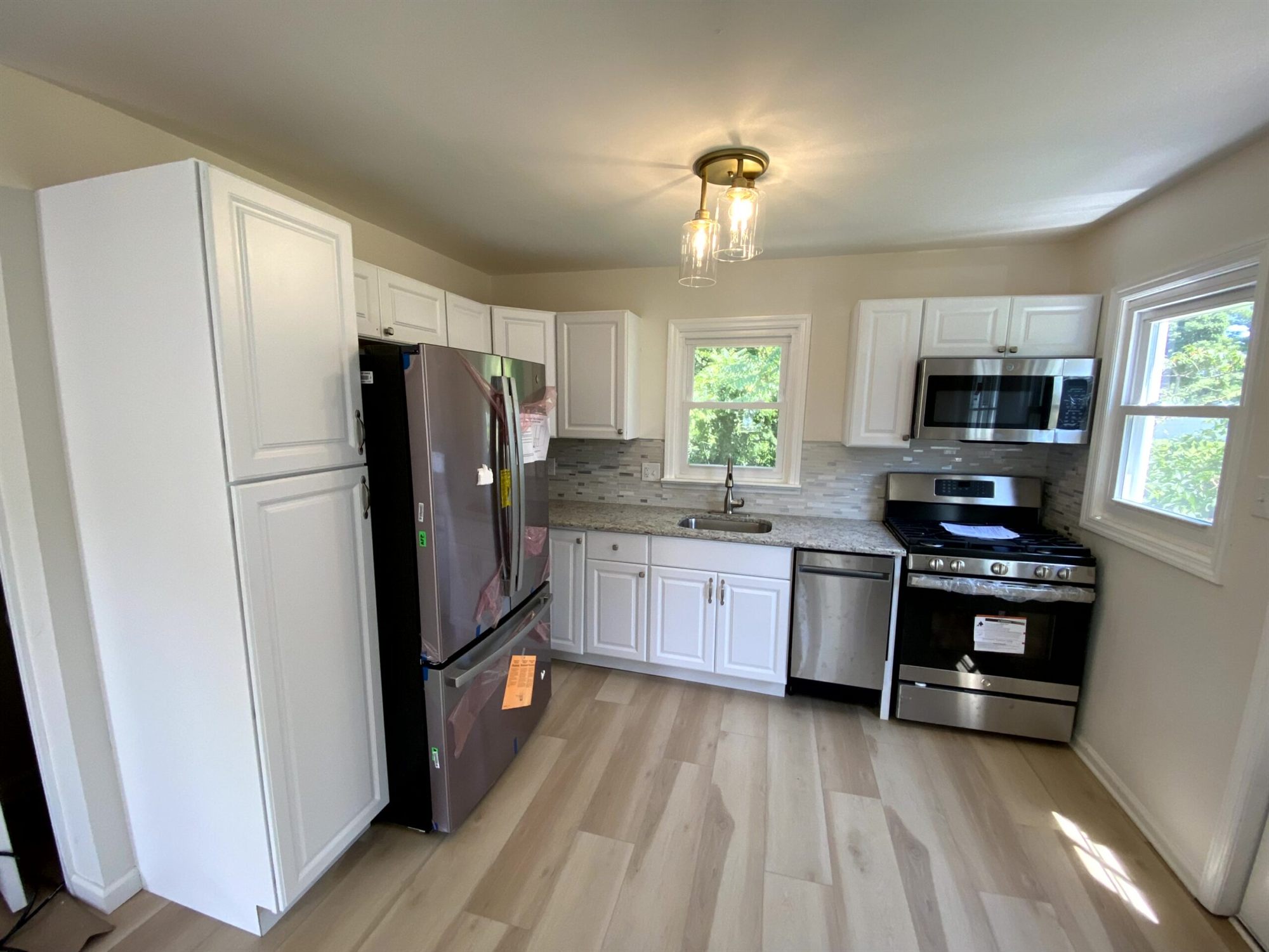
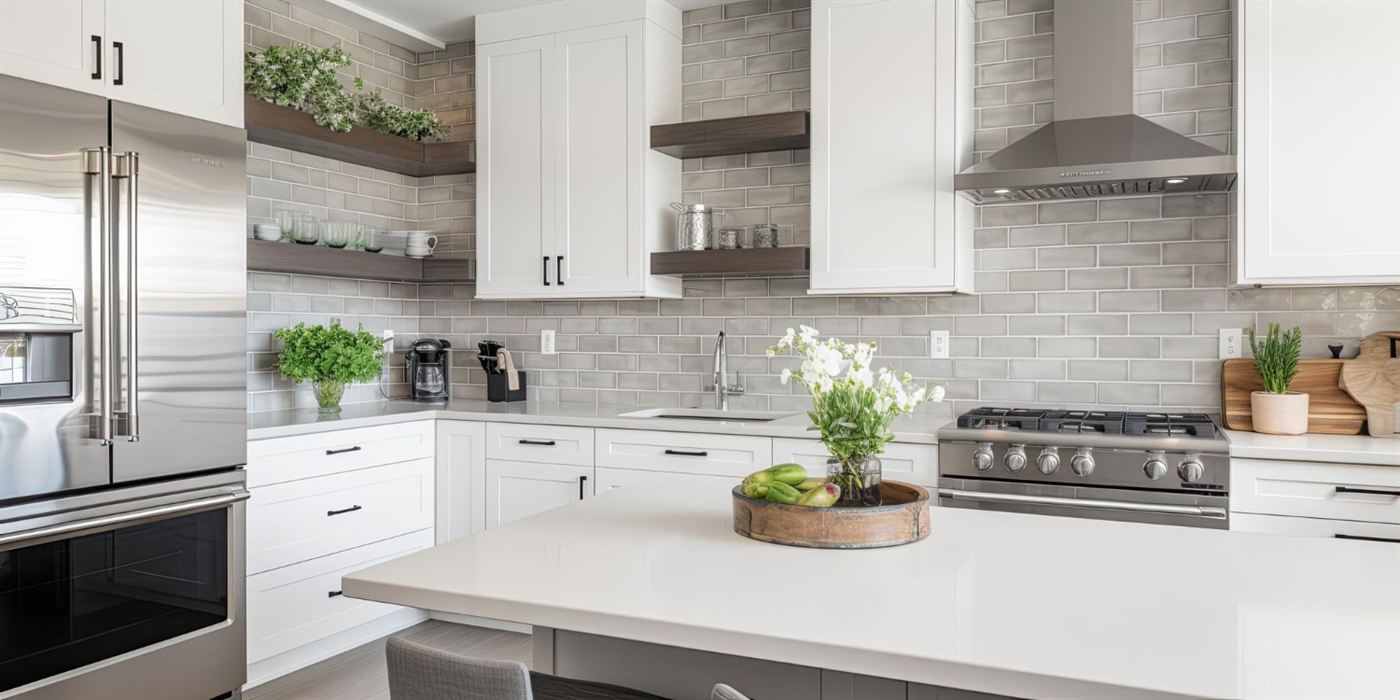
These rooms see the most daily use and often flow into each other in open floor plans. Neutral, warm tones (soft whites, greiges, warm grays) tend to age well and don't compete with cabinetry, countertops or furniture that's expensive to change later.
Bedrooms
Bedrooms are the room where a bolder or more personal color choice makes the most sense, since it's a more private, contained space. Muted blues, greens and deeper neutrals are popular choices for a calmer feel.
Bathrooms
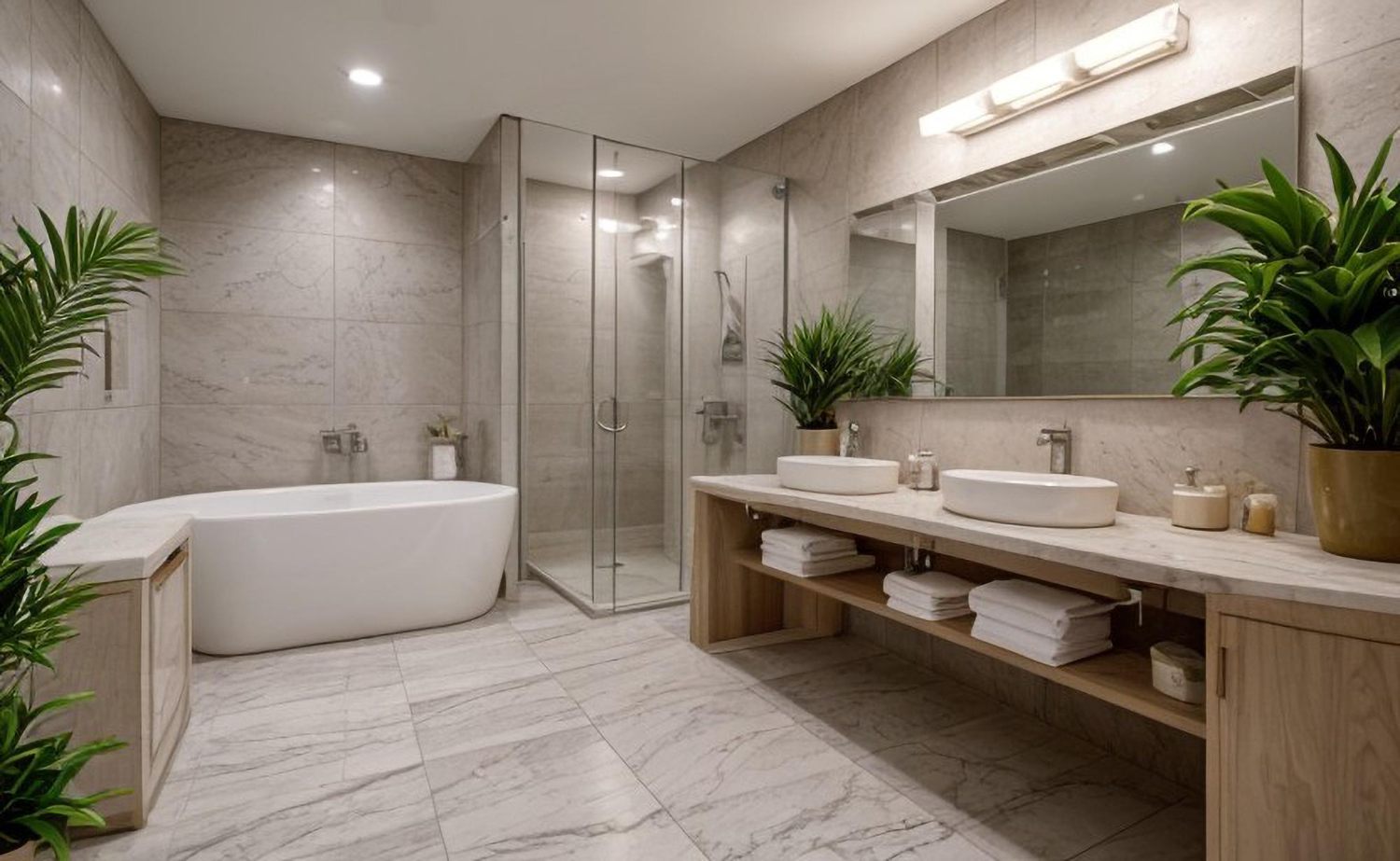
Paint in bathrooms deals with humidity, so a bathroom-rated (moisture-resistant) paint finish matters more than the specific color. Semi-gloss or satin finishes hold up better than flat paint and are easier to wipe down.
Trim and Ceilings
A crisp white trim provides contrast and makes wall colors read more clearly, even in rooms with saturated colors. Ceilings are most often kept a flat white or a very slightly tinted version of the wall color to keep rooms feeling taller, particularly helpful in the lower-ceilinged upper floors common in older Philadelphia homes.
Finish Matters as Much as Color
| Finish | Best For |
|---|---|
| Flat / Matte | Ceilings, low-traffic bedrooms; hides imperfections but harder to clean |
| Eggshell | Living rooms, bedrooms; a common all-purpose choice |
| Satin | Hallways, kids' rooms, bathrooms; more washable |
| Semi-Gloss | Trim, doors, cabinetry, bathrooms; most durable and washable |
Frequently Asked Questions
Should I paint before or after new flooring is installed?
Painting before new flooring goes in is generally recommended, so drips and splatter don't risk damaging a new floor. If both are happening as part of a larger renovation, your contractor should sequence painting before final flooring installation.
How many paint samples should I test before deciding?
Testing two to three finalists directly on the wall, rather than relying on small chips, is usually enough to make a confident decision. More than that tends to create decision fatigue without meaningfully improving the choice.
Can you help choose colors as part of a painting project?
Yes, color consultation is part of our interior painting and drywall service. We help homeowners narrow down a whole-house palette that works with existing floors, cabinetry and fixtures.
Ready to Refresh Your Home's Colors?
Reliable Home Remodeling handles everything from a single accent wall to a whole-house color refresh, with the prep work that makes any color choice look its best.
Ready to plan your painting project? Request a free estimate today.